
What “Research Grade” Does Not Include
Nothing is defined by the phrase “research grade.” It is commercial description rather than a specification anyone can hold a supplier to, and the useful way to read any certificate attached to such material is by its omissions rather than its contents.
The inventory on a typical certificate
Identity and chromatographic purity make up most of what you get, sometimes with net peptide content or a water figure alongside. Read the word purity narrowly when you see it there. What it denotes is peptide-related purity: of the peptide material present, the share corresponding to the target sequence. Concerning anything in the vial that is not peptide, the figure has nothing whatever to say.
Three things it does not cover
| Endotoxin | Bacterial lipopolysaccharide produces no signal on RP-HPLC, so it never enters a purity calculation at all. |
| Sterility | A lyophilized peptide is a sterile product only if it was manufactured and tested as one. Low endotoxin and viable organisms can coexist in the same vial, which is why these are two tests: they are two questions. |
| Process residues | Scavengers, coupling reagents and organic solvents leave traces through synthesis and purification. Amounts are usually small and usually inconsequential, but small is not nothing, and a peptide purity figure does not account for them in either direction. |
Why the first of those ruins experiments
Picture a dramatic cytokine readout against a certificate in the drawer reporting 98 percent purity. Both can be accurate simultaneously, because the certificate was never addressing the question the assay had just asked. Lipopolysaccharide is biologically active at concentrations low enough to pass unnoticed, and the literature documenting it as a confounder in cell culture is substantial, most of all in immune and inflammatory work, where whatever response it provokes is easily recorded as an effect of the compound under test. Once an immune endpoint enters the design, endotoxin data stops being background reading and becomes a precondition of the experiment meaning anything. Literature: PubMed.
Deciding when to ask
Identity and purity on their own serve analytical and biochemical work perfectly well. Cell culture is where the calculation shifts, and it shifts furthest with immune, inflammatory or cytokine endpoints. Ask for endotoxin data there, and run a vehicle control taken through identical handling whether or not the data arrives.
Where a supplier cannot say whether a batch was tested, assume the answer is no. That assumption does not disqualify anyone. It is simply information you need in hand before the controls can be designed honestly. Related: choosing a research peptide supplier and why certificates disagree.
ExoLabz supplies compounds for laboratory research use only. Nothing on this page is medical advice or a suggestion of human or veterinary use.
Third-party HPLC and purity tested, matched to certificates by cap and crimp colour.
Research-grade peptides dispatched from inside the USA, usually within 1 business day.
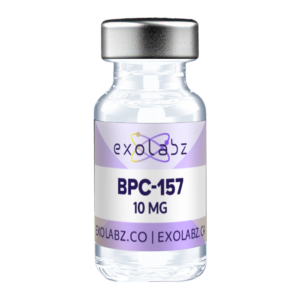 BPC-157 10mg
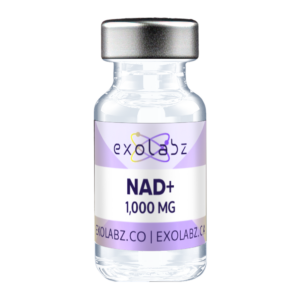 NAD+ 1000mg
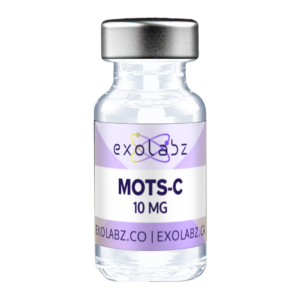 MOTS-c 10mg
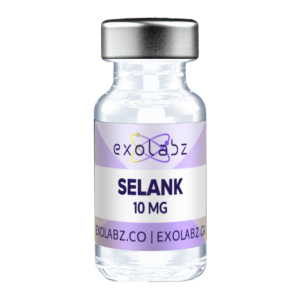 Selank 10mg