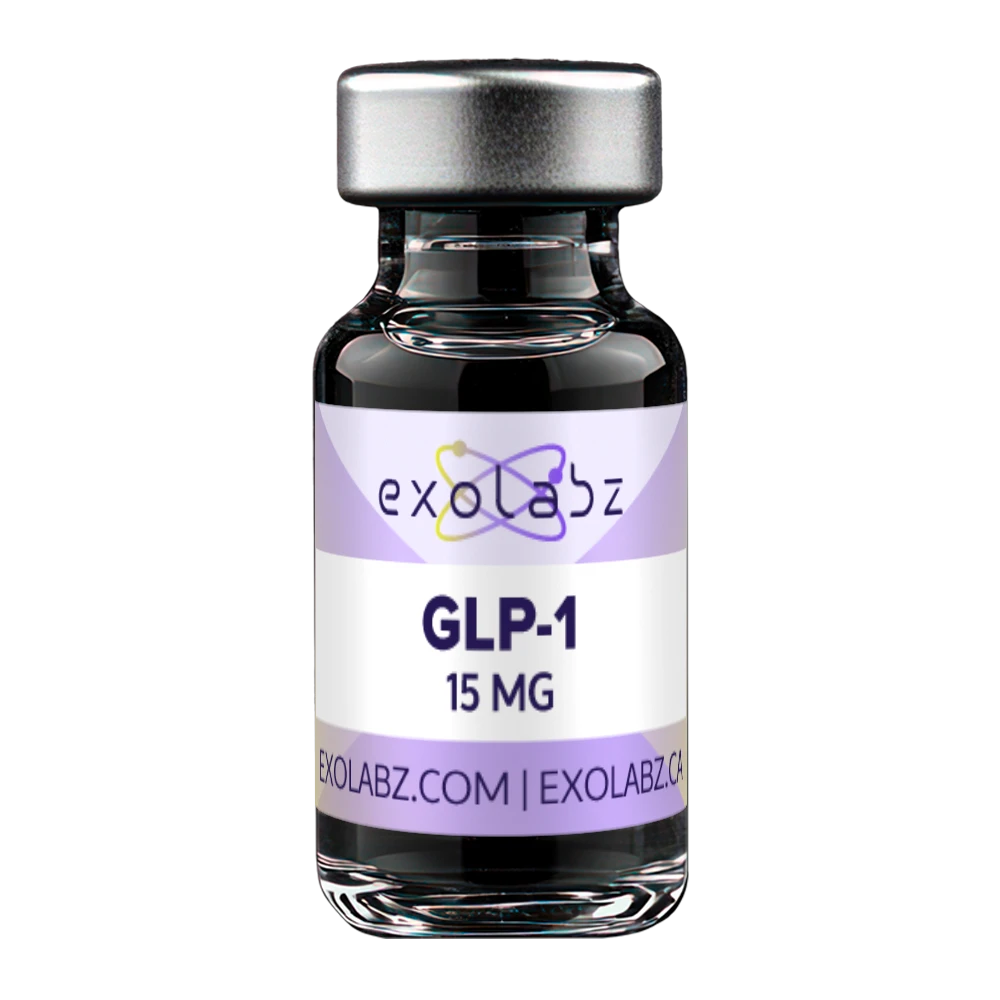
Incretin & Glucagon Peptides
Incretin and glucagon receptor research peptides, supplied as lyophilised powder for laboratory research use only. This is the category where regulatory status differs most sharply between products that look similar on a shelf, so it is worth reading the note below before ordering.
Single, dual and triple receptor agonists
Three receptors are involved, all class B G-protein-coupled receptors: the GLP-1 receptor, the GIP receptor and the glucagon receptor. The molecules in this category are distinguished by how many of the three they engage and in what ratio.
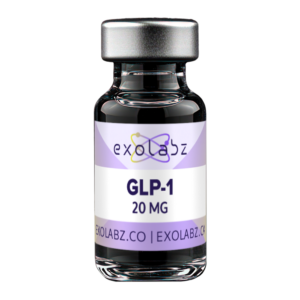
- GLP-1 receptor agonists engage one receptor.
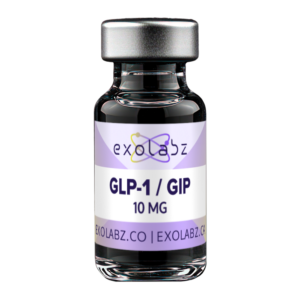
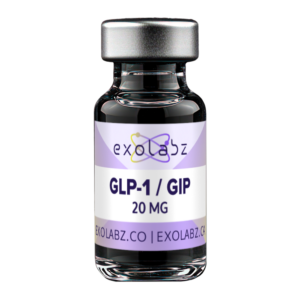
- GLP-1 / GIP dual agonists engage two.
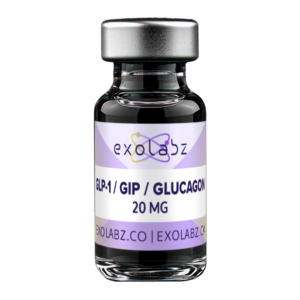
- GLP-1 / GIP / glucagon triple agonists engage three.
The relative activity at each receptor is the entire design question for these molecules, and reported ratios shift depending on which assay produced them — a binding affinity ratio and a functional potency ratio are different measurements and are not interchangeable. Our notes on incretin receptor pharmacology and on what Ki, IC50 and EC50 actually measure cover why.
Regulatory status
Nothing in this category holds a Canadian market authorisation for human or veterinary use. These products carry no Drug Identification Number and no Natural Product Number, are not manufactured to pharmaceutical Good Manufacturing Practice standards, and carry no sterility or endotoxin assurance. They are supplied for laboratory research only. Our note on the regulatory status of research peptides in Canada sets out the framework in full.
Analytical notes for this class
These are long peptides — the triple agonists run to 39 residues and molecular masses above 4,700 g/mol — and length has analytical consequences. A longer chain means more synthesis cycles, so more opportunity for a deletion sequence, and a deletion of one internal residue in a 39-residue peptide is a small proportional mass change that a low-resolution instrument may not resolve. Several of these molecules also carry fatty-acid or linker modifications that dominate their retention behaviour.
What that means in practice: for this class, purity by HPLC area is a weaker guarantee than usual, and confirming identity by mass matters more. See where peptide impurities come from and what cost per milligram hides.
Analysis and handling
Certificates of analysis are published per product, with batch photographs for matching. Vials ship as lyophilised powder from within Canada.
Supplied for laboratory research use only. Not authorised by Health Canada or the FDA for research supply, carry no DIN or NPN in this presentation, are not manufactured to pharmaceutical GMP standards, and are not for human or veterinary use.
Showing all 12 results
-
 Select options
GLP-1 / GIP / GLUCAGON 10mg – 10 PACK
Price range: $824.99 through $1,099.99 -
 Select options
GLP-1 / GIP / GLUCAGON 15mg – 10 PACK
Price range: $1,199.99 through $1,599.99 -
 Select options
GLP-1 10mg
Price range: $149.99 through $199.99 -
 Select options
GLP-1 15mg
Price range: $209.99 through $279.99 -
 Select options
GLP-1 20mg
Price range: $269.99 through $359.99 -
 Select options
GLP-1/GIP 10mg
Price range: $123.74 through $164.99 -
 Select options
GLP-1/GIP 15mg
Price range: $179.99 through $239.99 -
 Select options
GLP-1/GIP 20mg
Price range: $232.49 through $309.99 -
Select options
GLP-1/GIP/GLUCAGON 10mg
Price range: $119.99 through $159.99 -
Select options
GLP-1/GIP/GLUCAGON 15mg
Price range: $172.49 through $229.99 -
 Select options
GLP-1/GIP/GLUCAGON 20mg
Price range: $232.49 through $309.99 -
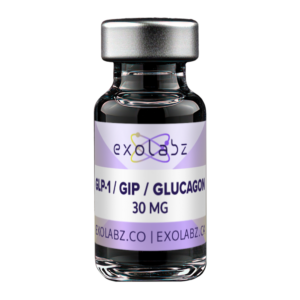 Select options
GLP-1/GIP/GLUCAGON 30mg
Price range: $314.99 through $419.99