Receiving a Research Peptide Shipment: What to Check on Arrival
The first few minutes after a shipment lands are when most correctable problems can still be caught. A short receiving routine is worth writing down and following every time.
Look before opening anything
Check the outer packaging for damage and the vials for cracks, compromised crimp seals or loose caps. Then look at the cake. A lyophilized peptide should be a white to off-white solid. Discoloration, or a cake collapsed into a glassy film or an outright liquid, says the material met moisture or heat in transit and should be raised before anything is used.
A shrunken or partly detached cake is not in itself a fault — lyophilized cakes shift in transit. A wet or melted appearance is.
Transit and temperature
Lyophilized peptides are far more robust in transit than solutions, which is the main reason they travel as powder. Brief exposure to ambient temperature in shipping is normal and is not the same thing as prolonged warm storage. The material should still go into refrigerated storage at 2–8 °C on arrival, with the vial unopened — see our storage guidance.
Domestic US shipping
We ship across the United States, with free shipping on US orders over $200 and shipping otherwise calculated at checkout. A domestic parcel skips the customs step entirely, which removes the main source of unpredictable delay and of extended time at an uncontrolled temperature — a practical argument for sourcing domestically wherever the compound is available from a US supplier.
On the regulatory framing of these materials, see our note on the regulatory status of research peptides in the USA and on choosing a supplier.
Match the vial to its certificate before it goes into storage
The step most often skipped, and the only one that cannot be done later. A certificate of analysis describes one production lot. Its claim is about that lot and no other, so it is evidence about the vial in front of you only if the identifiers agree.
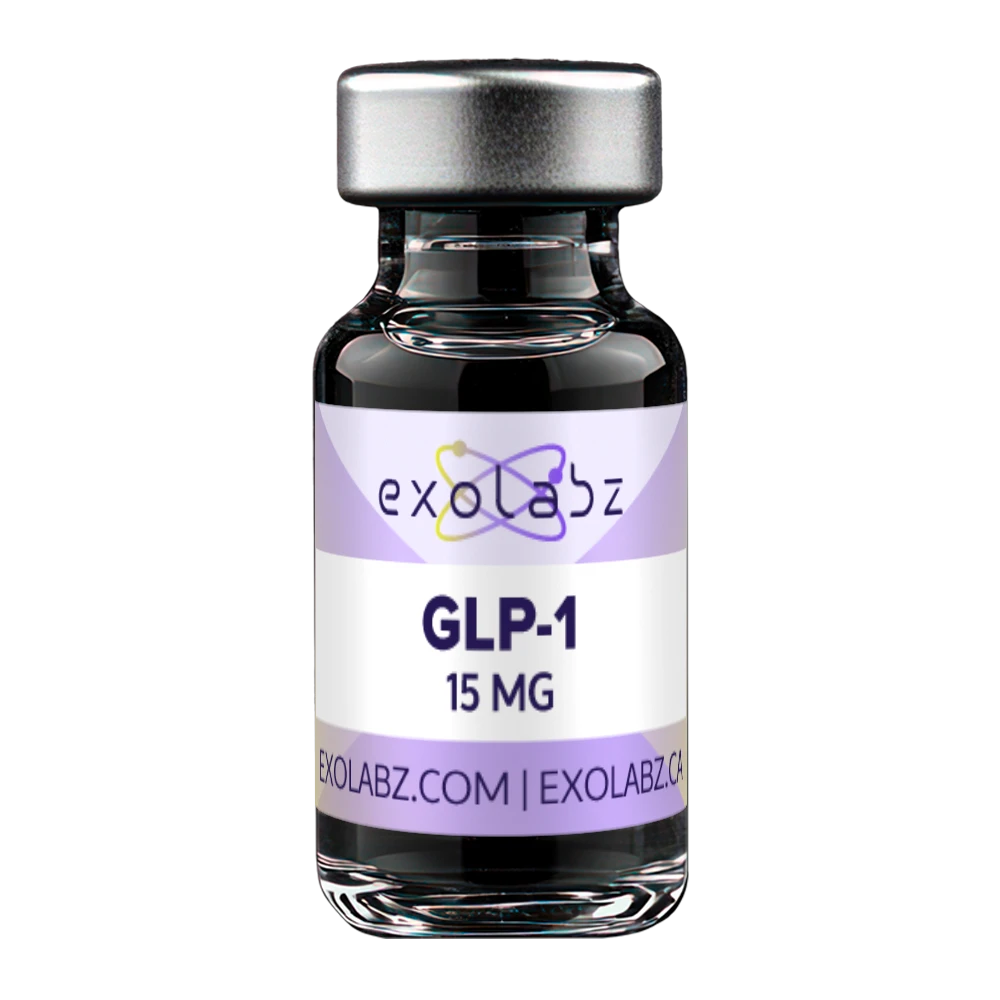
How the match is made depends on the supplier. Where vials carry a printed lot or batch identifier, compare it against the certificate along with compound name and nominal mass. Where they do not — common in this market — the certificate should carry photographs of the batch it describes, and the vial in your hand is matched against those: cap color, crimp color, label, cake appearance. ExoLabz certificates are published per product on this site and include batch photographs for exactly that purpose; vials are matched by cap and crimp color rather than by a printed batch number.
Either way the point stands. A certificate that cannot be tied to the vial in front of you is a document about material you may not have. If nothing on the certificate corresponds to anything on the vial, ask the supplier which batch shipped and record the answer. Our guide to reading a certificate of analysis covers what the rest of the document says.
Save the certificate as a file next to your own receiving record. A link is not a record: pages get reorganized, and a certificate you can no longer retrieve is a certificate you no longer have.
Photograph what arrived
Two photographs taken before anything is opened settle almost every dispute that can arise later: the outer packaging as delivered, and the vials with their labels legible. If a cake looks wrong, photograph that too, in even light and without a flash washing out the color.
Not out of suspicion. Simply because every later conversation — with a supplier, with an institution, or with your own notes three months on — turns on what the material looked like on arrival, and memory is not admissible evidence about the color of a lyophilized cake.
Seasonal transit, a specifically domestic problem
The last hundred yards of a US delivery are the least controlled part of the journey. A parcel can sit in a delivery vehicle through a July afternoon or on an unheated porch through a January night, and neither is within a supplier’s reach.
Two measures cover most of it. Arrange delivery for a day when somebody will be there, or to an attended address rather than a porch. And move the parcel into refrigerated storage promptly instead of leaving it on a bench because it arrived as powder and powder seems durable. Lyophilized material genuinely tolerates short transit exposure; what it does not tolerate is being treated as indefinitely shelf-stable. See storage and stability of lyophilized research peptides.
A frozen parcel is generally less worrying than a warm one where lyophilized powder is concerned. Repeated freeze–thaw of a vial that has taken up moisture is not, which is another reason the cake’s appearance on arrival is worth recording.
If something looks wrong
Stop before opening the vial. An unopened vial with a documented problem is a simple conversation; an opened one is an argument about what happened after opening.
Raise it with the supplier with batch details, your photographs and the delivery date. Note it in the receiving record whether or not it gets resolved, because a batch that produced an odd result and a batch that arrived looking odd are worth being able to connect later.
Record what you received
Log the receipt date, the compound, the quantity and the certificate you matched it against. When a result later looks anomalous, that record is what lets you rule the material in or out instead of repeating the work.
ExoLabz supplies compounds for laboratory research use only. Nothing on this page is medical advice or a suggestion of human or veterinary use.