
The Assay That Tells You How Much Peptide You Weighed
Two numbers on a data package can both be right and still disagree. A chromatogram says the material is 98 percent of a single species; an absolute content determination on the same solid comes back noticeably lower. Nothing is wrong with either measurement. They answer unrelated questions, and confusing one for the other is the most common way a calculated concentration ends up wrong.
The share of what, exactly
Chromatographic purity is a ratio taken within the peptidic fraction: of the material that behaves like peptide on the column, how much is the intended sequence. It is silent on how much of the powder in the vial is peptide at all. Counter-ion, bound water and leftover process solvent all contribute mass and none of them register as a chromatographic impurity.
Net peptide content answers the other half. It states what fraction of the weighed solid is actually the sequence, and it is an absolute figure rather than a ratio among peaks. That distinction matters procedurally: an absolute value has to be anchored to an external standard, so it inherits a dependence on traceability that an area percentage simply does not have. Reference standards and traceability takes up that thread, and the arithmetic that links the two figures is laid out in net peptide content explained. Of the three mass corrections involved, the smallest is usually the one covered in residual solvents.
Counting nitrogen: quick, cheap, and easily fooled
Total nitrogen in a specimen can be measured by combustion or by Kjeldahl digestion. Since the sequence fixes what proportion of the peptide’s mass is nitrogen, that total converts directly into a peptide figure. The approach is fast, inexpensive, and untouched by any of the degradation problems described below.
What it lacks is selectivity. Every nitrogen atom present is counted, whatever it belongs to. An ammonium counter-ion, a trace of amide solvent, a nitrogen-containing excipient: each of them inflates the answer. Against genuinely clean material the two approaches land in close agreement. Against contaminated material, nitrogen determination reports too much peptide.
Taking the peptide apart and counting the pieces
The more specific route runs the chemistry in reverse. The peptide is cleaved into its individual free amino acids, those amino acids are separated and quantified, and the peptide mass that must have been present is reconstructed from the yields. Weigh out a known quantity of material, measure how much of each residue it produced, apply the known sequence, and the peptide content of that quantity follows by arithmetic.
Getting there means 6 M hydrochloric acid at roughly 110 degrees Celsius for 24 hours, held under vacuum or nitrogen to keep oxidation down. Conditions that aggressive do not treat all twenty residues alike.
| Tryptophan | Destroyed to a large extent; a routine hydrolysis normally omits it from the report. |
| Cysteine | Suffers partial loss unless it has been alkylated or oxidized in advance. |
| Asparagine, glutamine | Turn into aspartate and glutamate, so each pair is reported as a sum rather than separately. |
| Serine, threonine | Decay steadily with time; a trustworthy value requires several hydrolysis durations and extrapolation back to time zero. |
| Valine, isoleucine | Where the position is sterically hindered, release is slow enough that 24 hours can leave them under-recovered. |
Good practice follows from the table. Quantitation rests on residues that survive the treatment reliably, among them alanine, glycine, leucine, phenylalanine, lysine and arginine. The fragile ones still carry information about composition, but they are not the basis of the number.
Where this shows up in the bench work
Any time a concentration is derived from the mass printed on a label, net peptide content is the correction that separates a nominal figure from a real one.
All material is supplied for laboratory research use only. It is not a drug, not a supplement, and not for use in humans or animals.
Third-party HPLC and purity tested, matched to certificates by cap and crimp colour.
Research-grade peptides dispatched from inside the USA, usually within 1 business day.
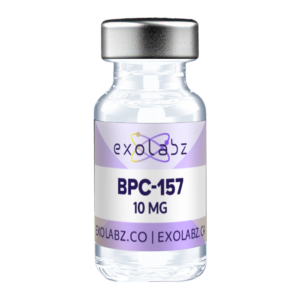 BPC-157 10mg
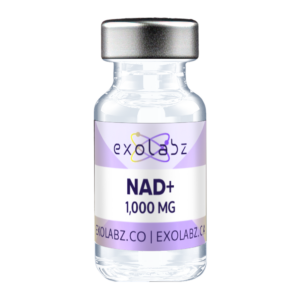 NAD+ 1000mg
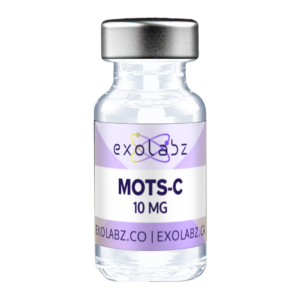 MOTS-c 10mg
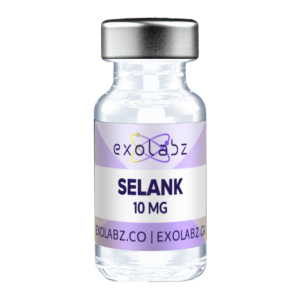 Selank 10mg