
On this page
Two figures are worth holding onto when ordering into Cleveland. The first is the band: two to three business days by ground out of our US facility. The second is the season, because lake-effect snow coming off Erie is the one thing that reliably moves that band. Everything else about the trip is uneventful by design. The vials are freeze-dried, the network is domestic from end to end, and so no customs officer, no import duty, no broker’s invoice and no clearance hold of unguessable length ever enters into it.
- 2-3 daysGround to the lakefront
- $200+Above this, carriage is free
- DomesticNothing to clear
- TrackedEmailed at the first scan
Shipping to Cleveland
Northeast Ohio has a lane of its own on the carrier network, so a Cleveland parcel is not waiting on a transfer at somebody else’s hub before it heads for the lakefront. That direct routing is the reason the two-to-three-day band stays so steady from one week to the next. The genuine local wildcard is lake-effect snow, which arrives off Lake Erie from roughly late November into February, and its effect is narrower than people tend to assume: it slows the last stretch into the metro area, while the long-haul corridor bringing the parcel into Ohio usually keeps moving.
Anything that lands with us inside the working-day cut-off is on a truck the same afternoon. Anything later, or over a weekend, waits for the next working day. Dispatch is also when the tracking number goes to the buyer’s inbox, so a University Circle lab, or one out in the eastern suburbs, can watch that first scan appear. Checkout works out carriage, drops it to nothing past $200 USD, and shows the expedited services alongside ground with estimates of their own. Columbus, Cincinnati and the rest of the state are timed on the Ohio page; a state-by-state table lives at where we ship.
When lake-effect bands set up over the east side, a Cleveland tracking page can show a parcel parked at the local facility for a morning while shipments behind it are still arriving on time. That pattern points to the final few miles, not the lane, and it usually clears the same day or the next. The dry powder is untroubled by the extra hours at ambient temperature, so the fix is simply calendar slack: from late November through February, order a day earlier than you otherwise would.
Receiving a shipment in Cleveland
At a Cleveland hospital or university, take a delivered scan to mean that a box has changed hands between the carrier and the institution, usually at a central dock. It means nothing beyond that. Getting from the dock to the building named on the label is the institution’s own internal round, and whether that costs an hour or the rest of the working day depends entirely on when the round happens to run.
University Circle is where that internal leg matters most. The medical school, the clinic’s research institute and the affiliated hospitals sit tightly together and share consolidated receiving, which is efficient for the institutions but means the last few hundred meters are outside the carrier’s view. Laboratories in the suburbs and the contract testing sites around the metro generally sign at their own building dock, so a parcel there is in the right hands soon after the scan. If a delivery has to reach a particular bench on a particular day, ask your receiving desk when its round leaves and write the address the way that desk wants it, with building, room and a named person. On the question of temperature, lyophilized powder does not need refrigerated transport over a window this short; cold chain and temperature excursions sets out why, which helps if anyone on the dock asks about the lack of ice packs.
Open the box and reconcile it with the paperwork before a single vial is put away. There is no printed batch number on the vials themselves, so identification relies on matching the cap and crimp color to the batch documentation, followed by a count against the order. Our shipment arrival checklist takes you through each step.
Storage once it arrives
Hospital-linked research buildings in Cleveland tend to run frost-free freezers shared between several groups, and that is worth checking before anything goes in one. The warm-up such a unit performs on a timer, which is the whole reason it never ices up, is a quiet hazard for peptide stock. Freezer storage and auto-defrost explains the mechanism and what a lab can do when swapping the unit is not an option.
Solutions raise a different set of questions again. What a compound was dissolved in is discussed in choosing a reconstitution solvent, while the cost of warming and re-cooling the same stock over and over is the subject of freeze-thaw cycles in peptide solutions.
All of which assumes the dry vials got somewhere sensible in the first place. A few days in a truck is comfortably within what freeze-dried material will take; a Cleveland freezer shelf is a far longer commitment, and the conditions appropriate to it are laid out in storage and stability of lyophilized research peptides. Move the vials there as soon as the arrival check is finished, rather than leaving them on a bench while somebody files the paperwork.
Research base in Cleveland
A few miles east of downtown, University Circle packs the clinic’s research institute, the university medical school and the affiliated hospitals into one compact cluster, and the laboratories there account for the bulk of academic ordering from the city. Compact is the operative word: the institutions are close enough to share a receiving philosophy as well as a neighborhood.
Outside that core, Cleveland has a medical device and analytical testing sector distributed through the suburbs and down the corridor toward Akron. Industrial purchasers therefore order alongside academic ones here, and the delivery addresses we see run from hospital loading docks to small units in business parks. The two groups want different things from an order. A testing house cares about which lot it is getting and what the paperwork says; a hospital laboratory more often cares about the day the box lands.
Transit and research detail for Columbus, Cincinnati and the smaller college towns is collected on the page for research peptides across Ohio.
Settling whether a compound can lawfully be received and held at a Cleveland address happens before the order, and the buyer settles it, not us; Ohio’s schedules have to be read next to the federal ones, and our guide to checking controlled substance status works through both layers. The address itself should plainly belong to a laboratory R&D purchaser, a university, a licensed researcher or a research institution, those being the only buyers we supply. On the material: no ExoLabz product is FDA approved, and none is sold or described for veterinary work, for clinical work or for human consumption. Wider context sits in the regulatory status of research peptides in the USA; state-level notes are on the Ohio page.
Catalog
Why does a Cleveland order go out the day it is placed, or the business day after? Because all eight of these classes are stock lines sitting at our own US facility. The headings carry nothing else. Open a product page and it will tell you what the compound is and what the analytical work on it found, which is the level a purchasing file has to be built at.
- Incretin & glucagon peptidesSingle-vial and 10-pack formats
- Growth hormone secretagoguesSermorelin, Ipamorelin, CJC-1295, Tesamorelin, AOD-9604
- BPC-157 & TB-5005mg and 10mg vials plus blends
- NeuropeptidesSelank, Semax, DSIP, Kisspeptin-10
- Melanocortin peptidesMelanotan-1, Melanotan-II, PT-141
- Copper peptidesGHK-Cu 50mg and 100mg
- Mitochondrial & cellularNAD+, SS-31, MOTS-C, Epitalon
- Multi-peptide blendsGLOW, KLOW, CJC-1295 + Ipamorelin
Compounds we ship to Cleveland
- TB-500 5mg $55.99
- TB-500 10mg $71.99
- GLOW Peptide Blend 70mg $121.99 · restocking
- GLP-2 (GLP-1/GIP) 20mg $222.99
- Semax 10mg $43.99
Volume buying, or buying on a fixed cycle, is priced on request for Cleveland labs through bulk and repeat orders. For anyone still weighing up vendors, the questions collected in choosing a research peptide supplier in the USA deserve to be put to all of them, this one included.
Certificates of analysis
The independent test reports we have commissioned appear in full on the certificates of analysis page. They do not cover the whole catalog yet, and each documents one named production lot, which makes it evidence about a batch rather than a permanent verdict on a product.
Purity on such a report is an area percentage from RP-HPLC, meaning the fraction of peptidic material in the sample that is the intended sequence. Residual solvent, sterility, net peptide content and endotoxin each need an assay of their own, and the purity figure says nothing about any of them. There is a walkthrough of a typical report in reading a certificate of analysis, and the figure that lets a Cleveland buyer compare prices on equal terms is covered in net peptide content.
Cleveland questions
Is there a peptide store near me in Cleveland?
There is no walk-in counter in Cleveland or anywhere else. Every order ships from our Utah facility as a tracked FedEx Express parcel, usually within one business day, and the published certificates of analysis can be read online before ordering.
What does lake-effect snow actually cost in delay?
A morning, or at worst a day, and only on the final stretch into the metro rather than on the long haul. The season runs from late November into February, so allow an extra day then; the powder does not mind the additional hours at ambient temperature.
Is clearance ever required for a Cleveland parcel?
Not once. Facility to door, the whole trip happens inside the domestic network, and no declaration, duty, broker or border wait forms any part of it.
Could an order be sent to a house in Cleveland?
Our orders come from research institutions, licensed researchers, universities and laboratory R&D purchasers, and the address has to be consistent with that.
Does it come to my lab, or stop at central receiving?
It stops wherever the order says. At a University Circle institution that is generally consolidated receiving, and the onward journey to your building follows the institution’s timetable.
How long is ground into Cleveland?
Two to three business days is the figure to plan on. Northeast Ohio is reached on a lane of its own rather than through a neighboring hub, which keeps that number steady from week to week.
Have a look at the classes we keep in stock, or outline a bigger Cleveland order and we will come back with a price.
What Cleveland buyers receive is sold strictly for laboratory research, never for use in humans or in animals, and nothing here amounts to an instruction on preparation, handling or dosing.
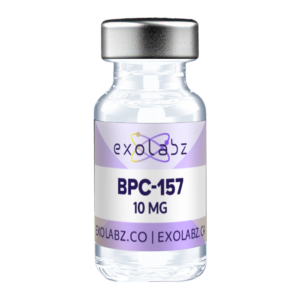 BPC-157 10mg
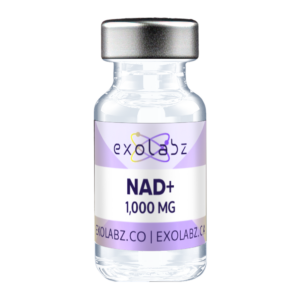 NAD+ 1000mg
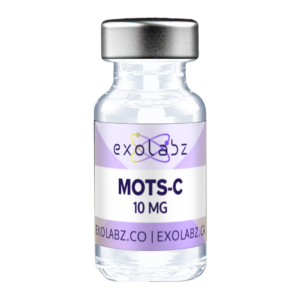 MOTS-c 10mg
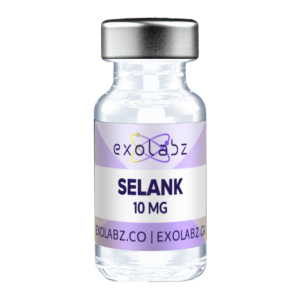 Selank 10mg