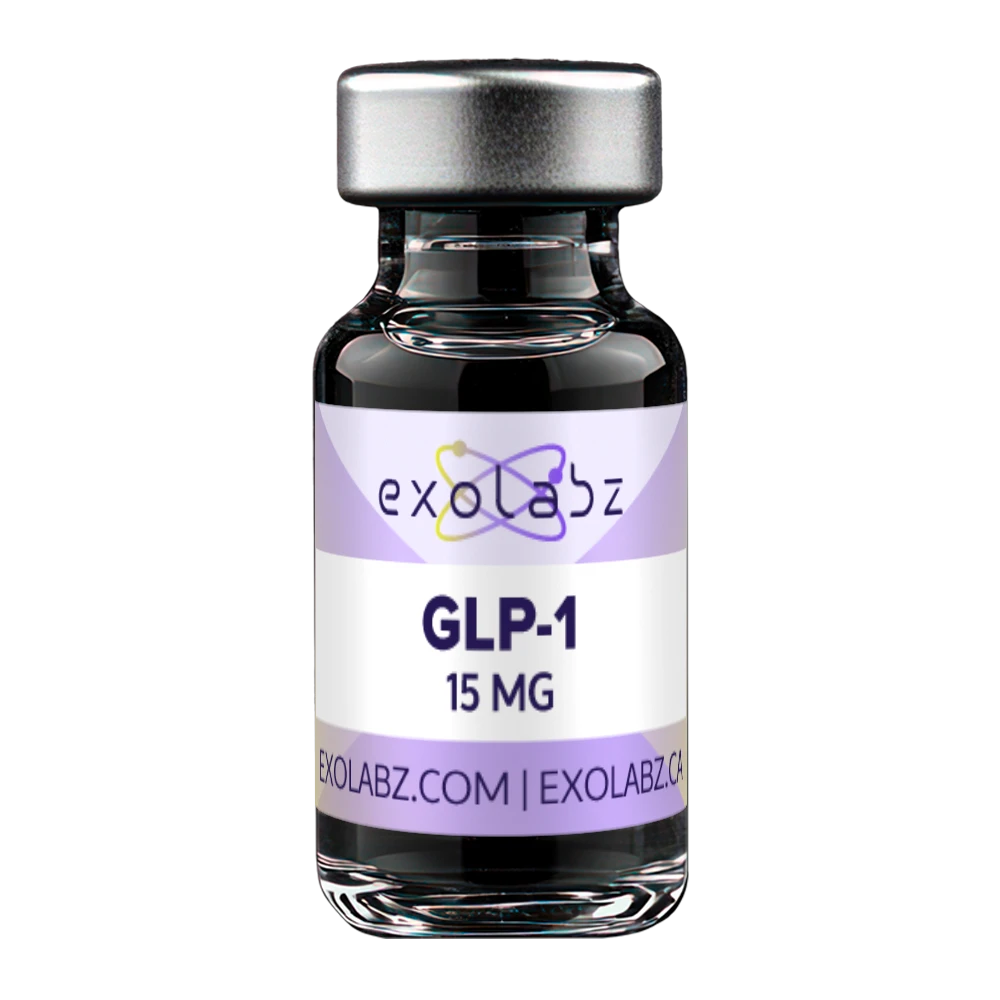
ExoLabz ships lyophilized research peptides to Boise, Idaho from our US facility. Ground transit is typically one business day. Because stock sits inside the United States, your order is a domestic parcel — nothing clears customs, and no duty, brokerage fee or open-ended clearance delay applies.
- 1 dayTypical ground band
- $200+Ships free in the USA
- DomesticNo border crossing
- TrackedNumber emailed at dispatch
Shipping to Boise
Boise is a single overnight ground leg on the I-84 corridor, which makes it one of the quickest destinations we ship to. The university campus, the downtown medical buildings and the technology corridor west of the city are all served together on that leg, so an order to any of them can be planned on the same timetable.
A one-day band leaves very little slack, which is worth knowing when a delivery has to land on a particular day. Orders placed before the daily cut-off on a business day are dispatched the same day; the rest leave the next business day, and on a lane this short the cut-off is the difference between arriving tomorrow and arriving the day after. Every shipment is tracked and the number is emailed the moment the parcel leaves us. Shipping is calculated at checkout and orders over $200 USD ship free anywhere in the United States, with expedited services sitting alongside ground on their own estimates. Transit bands for the rest of the state are on the Idaho page, and for every state on where we ship.
Winter conditions on I-84 occasionally add a day in January and February. On a one-day lane that is a doubling rather than a marginal slip, so a delivery that has to arrive on a set date in midwinter is worth ordering a day earlier than the band suggests. Timing arrival to a staffed day helps at the same time: a parcel that lands when somebody is there is signed for and logged rather than left waiting.
Receiving a shipment in Boise
The university and hospital laboratories run central receiving, while the semiconductor and contract laboratories west of the city receive at a building dock. A parcel marked delivered at a university or hospital has usually reached central receiving rather than the laboratory itself, and the internal leg can add anywhere from a few hours to a full working day — which on a one-day transit lane can be longer than the shipping itself. A dock delivery at a smaller site is normally in the right hands within the hour.
Check the vial against the paperwork before anything goes into storage: cap and crimp color, the batch or lot marking, and the quantity against what was ordered. Vials do not carry a printed batch number, so the match is made against the documentation rather than the label. The full sequence is set out in what to check when a shipment arrives. Cold chain is not required for lyophilized powder over these transit windows, and the reasoning behind that is worth understanding — see cold chain and temperature excursions.
Storage once it arrives
Lyophilized material is stable enough to travel without a cold chain, but that tolerance is for transit rather than for storage. Once a vial is in the building it belongs in the conditions described in storage and stability of lyophilized research peptides, and reconstituted material follows different rules again — the relevant considerations are in choosing a reconstitution solvent and freeze-thaw cycles in peptide solutions.
A short transit lane does not change what happens after the vial is put away. Auto-defrost freezers are the common failure point in a shared facility, because the cycling they rely on is exactly what the material should not see. A vial that survived transit without incident can still be quietly degraded by the unit it was put away in. That problem and the ways around it are covered in freezer storage and auto-defrost.
Research base in Boise
Boise research combines the university biomolecular and materials laboratories with a semiconductor and materials analysis base that supports a deep local instrumentation presence, and a clinical research sector tied to the valley’s hospital systems. Between them they cover a wide spread of work, which is why the catalog below is organized by compound class rather than by application.
Sale is restricted to research institutions, licensed researchers, universities and laboratory R&D purchasers. Confirming that a given compound is lawful to receive and hold at your Boise address is the purchaser’s obligation, not ours — both the federal schedules and Idaho’s own apply, and the method for checking both layers is set out in checking controlled substance status. Nothing ExoLabz supplies holds FDA approval, and nothing is sold or described for human consumption, clinical or veterinary use; the wider framework is in the regulatory status of research peptides in the USA, and the state-level position on the Idaho page.
Catalog
Every compound below is stocked in our US facility and ships the same or next business day. Each product page carries its identity data and analytical notes.
- Incretin & glucagon peptidesSingle-vial and 10-pack formats
- Growth hormone secretagoguesSermorelin, Ipamorelin, CJC-1295, Tesamorelin, AOD-9604
- BPC-157 & TB-5005mg and 10mg vials plus blends
- NeuropeptidesSelank, Semax, DSIP, Kisspeptin-10
- Melanocortin peptidesMelanotan-1, Melanotan-II, PT-141
- Copper peptidesGHK-Cu 50mg and 100mg
- Mitochondrial & cellularNAD+, SS-31, MOTS-C, Epitalon
- Multi-peptide blendsGLOW, KLOW, CJC-1295 + Ipamorelin
Individual compounds
- Sermorelin 5mg
- Ipamorelin 5mg
- CJC-1295 5mg
- Tesamorelin 10mg
- AOD-9604 5mg
- BPC-157 5mg
- BPC-157 10mg
- BPC-157 + TB-500 blend
- Selank 5mg
- Semax 10mg
- DSIP 5mg
- Kisspeptin-10 5mg
- Melanotan-1 10mg
- Melanotan-II 10mg
- PT-141 10mg
- GHK-Cu 50mg
- GHK-Cu 100mg
- NAD+ 500mg
- SS-31 10mg
- MOTS-C 10mg
- Epitalon 10mg
- GLOW 70mg
- KLOW 80mg
- CJC-1295 + Ipamorelin
Larger or recurring Boise orders are quoted through bulk and repeat orders, and the evaluation checklist in choosing a research peptide supplier in the USA applies whoever you buy from.
Certificates of analysis
The third-party reports we have obtained are published in full on our certificates of analysis page. Not every compound in the catalog has one, and a report covers the production lot it names rather than the product in general — a certificate is a batch record, not a standing claim about a supplier.
Purity is reported by RP-HPLC as area percentage, which describes the proportion of peptidic material that is the target sequence. It says nothing about sterility, endotoxin, residual solvents or net peptide content, all of which are separate tests. How to read one properly is covered in reading a certificate of analysis, and the figure that actually makes price comparisons meaningful is explained in net peptide content.
Boise questions
How long does delivery to Boise take?
Usually one business day on ground from our US facility, plus internal delivery time at institutional addresses.
Is there a customs step?
No. A Boise order ships domestically within the USA and never crosses a border, so no duty, brokerage or clearance applies at any point.
Do you deliver to a laboratory or to central receiving?
The carrier delivers to the address on the order. At most institutions that is central receiving, and the internal transfer to a specific building and bench runs on the institution’s own schedule.
Does winter weather affect a Boise delivery?
Conditions on I-84 occasionally add a day in January and February. On a one-day lane that is a doubling rather than a marginal slip, so a midwinter delivery that has to arrive on a set date is worth ordering a day earlier than the band suggests.
What does the certificate cover?
Identity and purity for the batch it names, by RP-HPLC and mass spectrometry where applicable. It does not establish sterility or endotoxin status, and not every compound in the catalog has a published report.
Browse the catalog by compound class, or ask for a quote on a larger Boise order.
Laboratory research use only. Not for human or veterinary use. Nothing on this page is preparation, handling or dosing guidance.